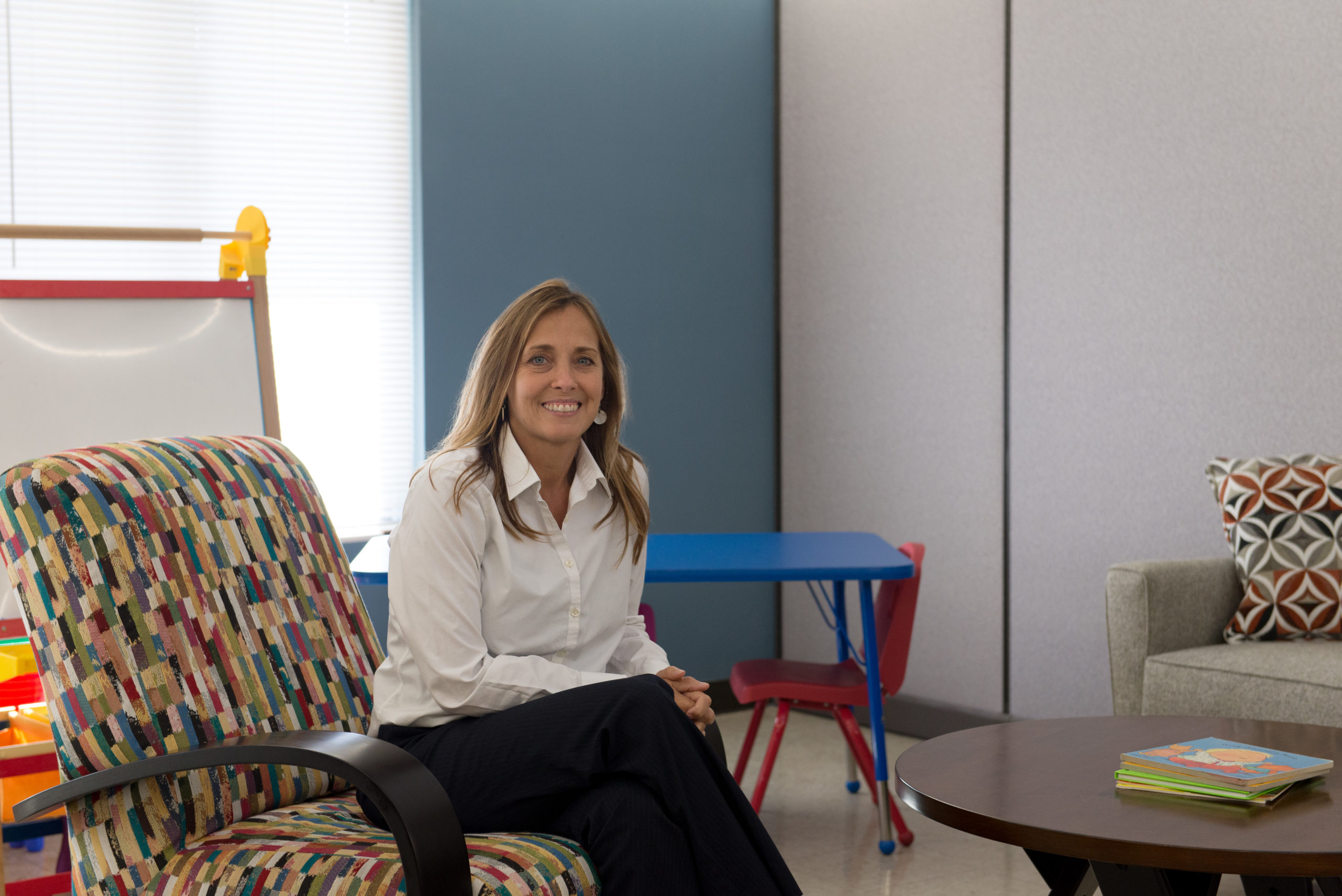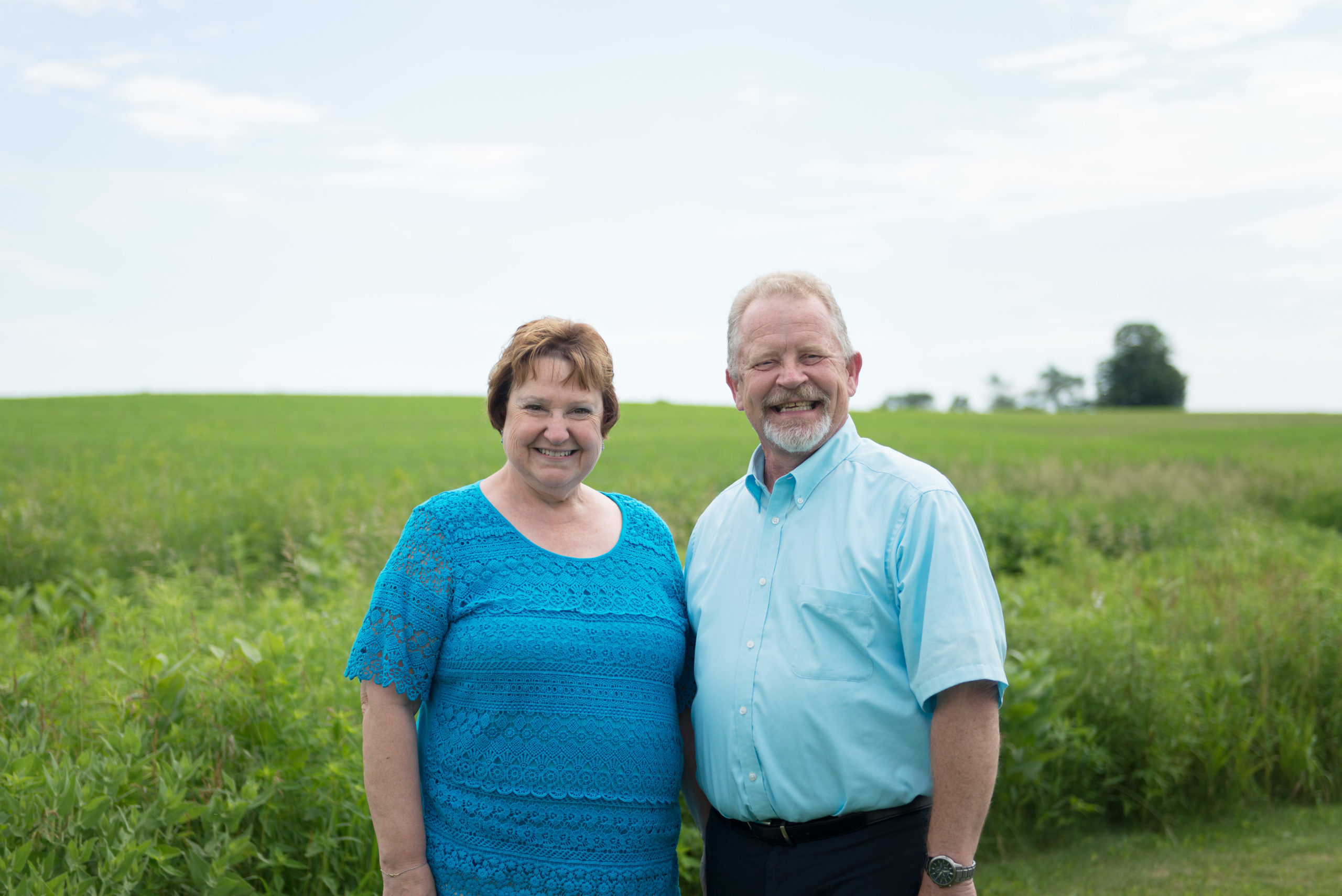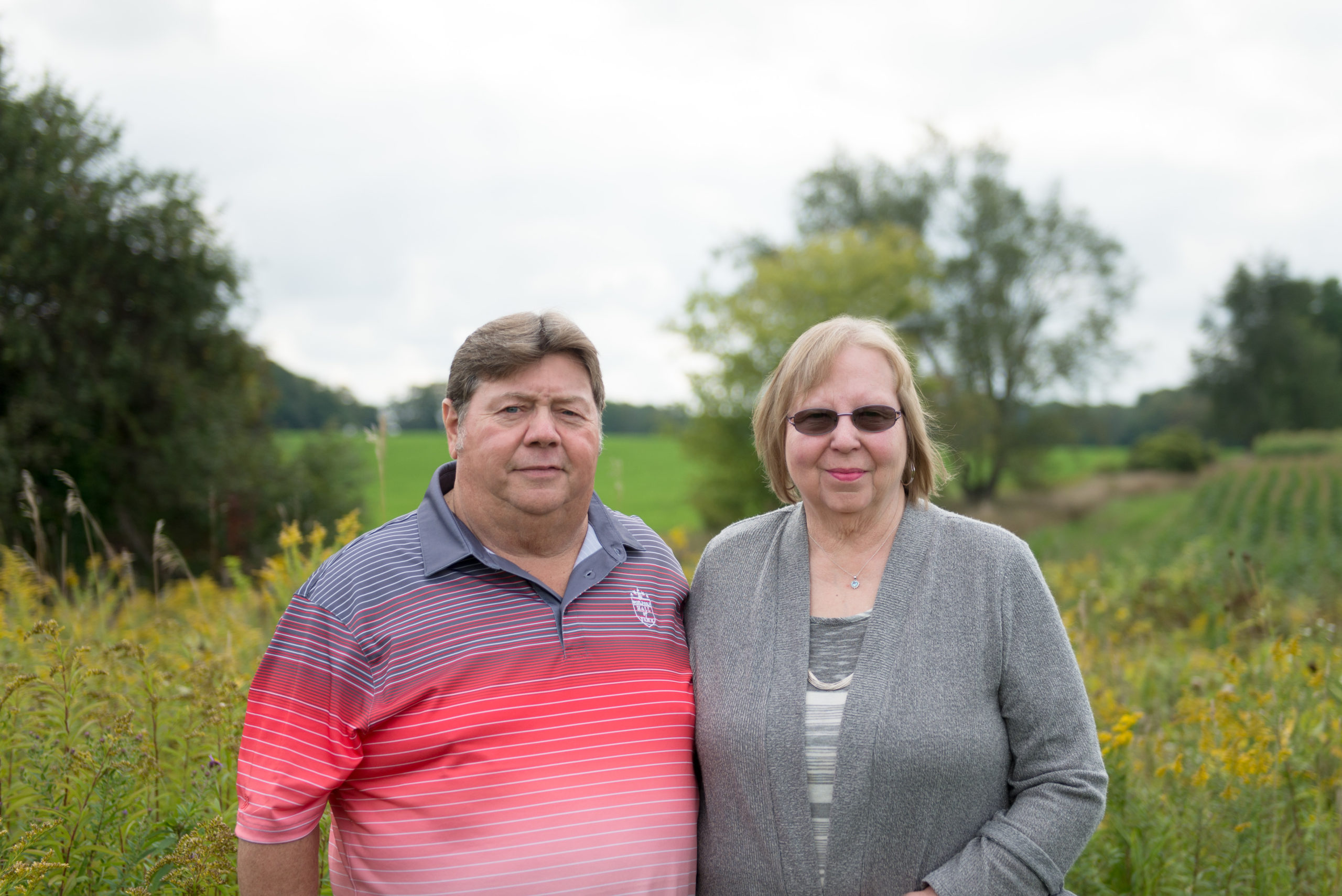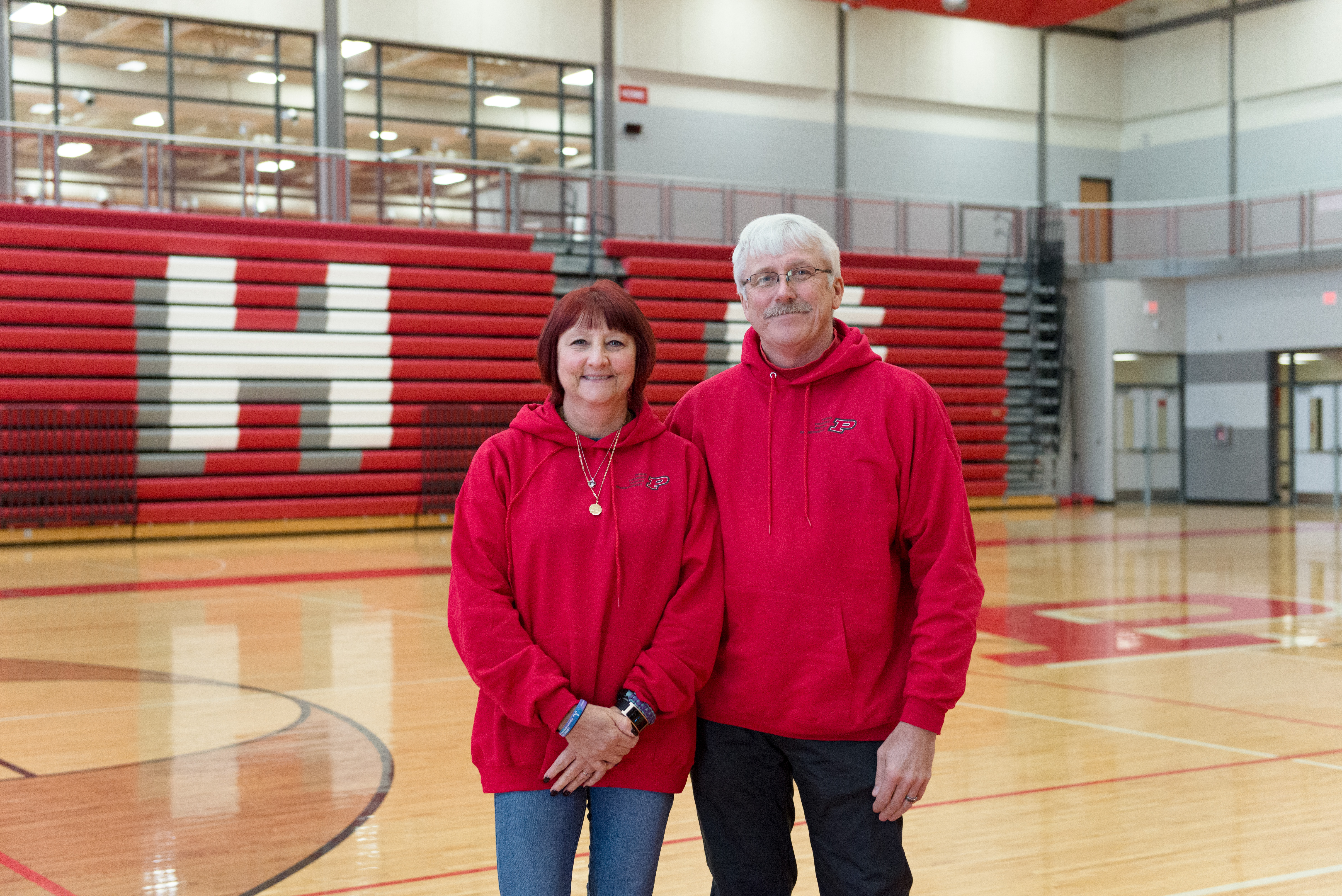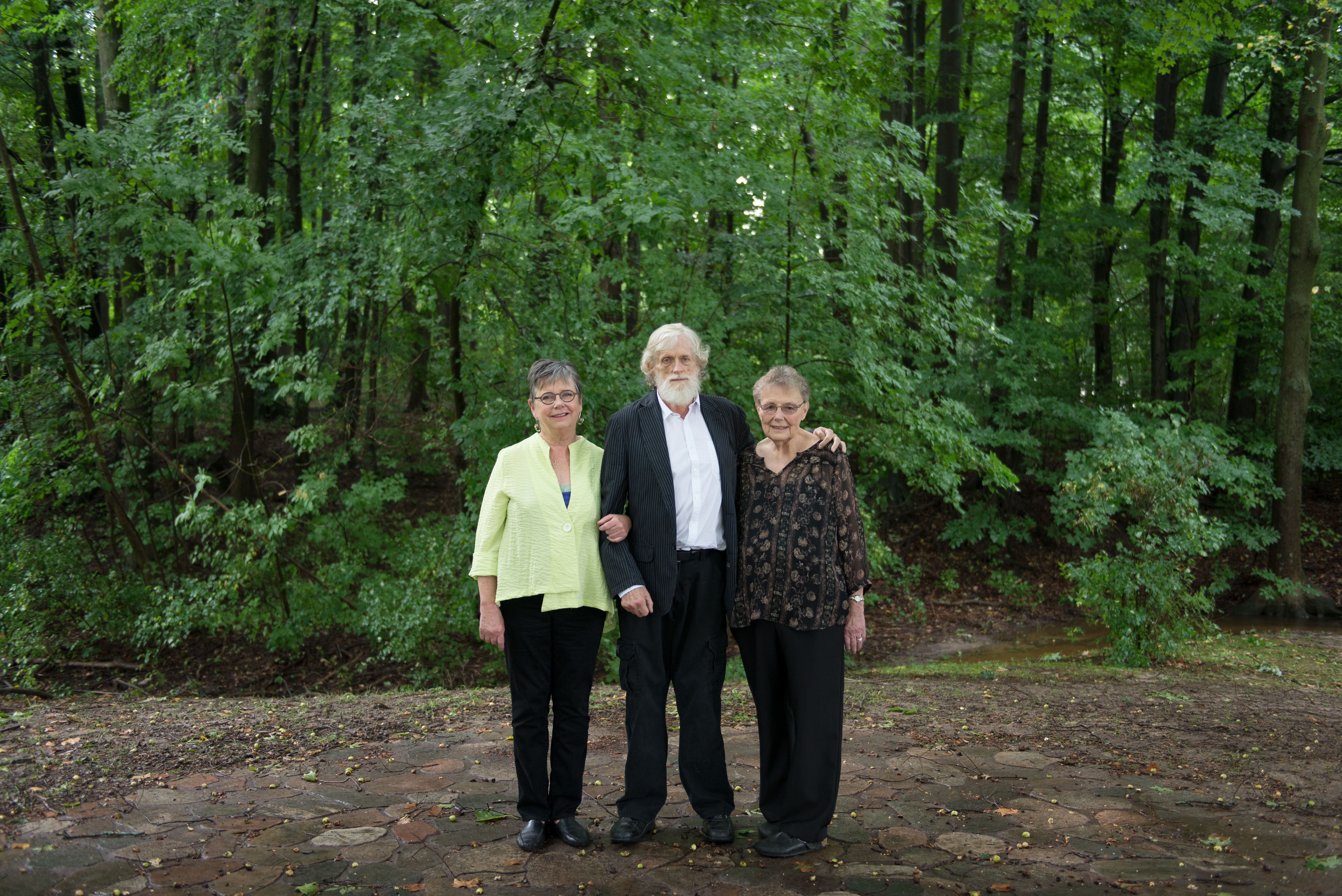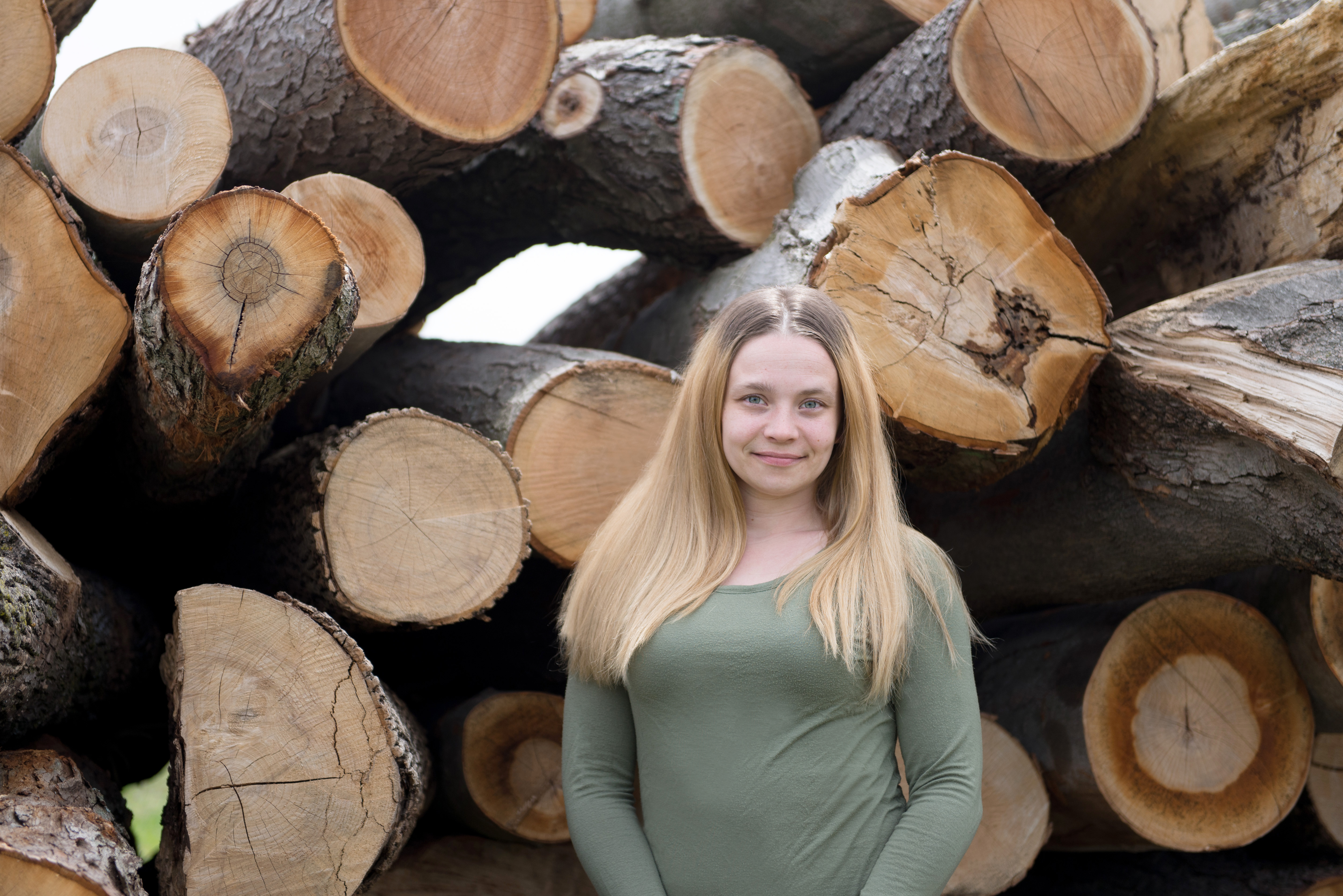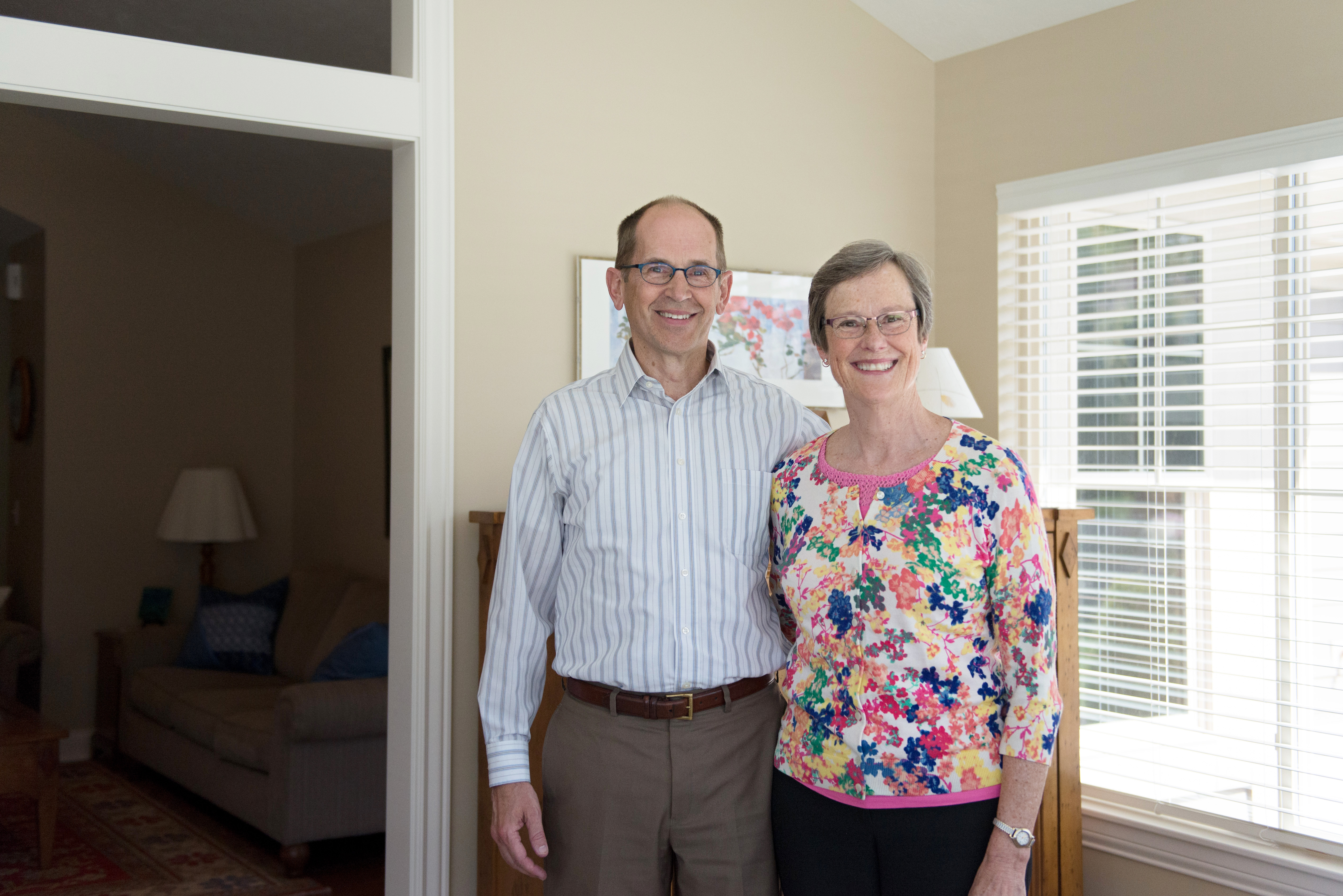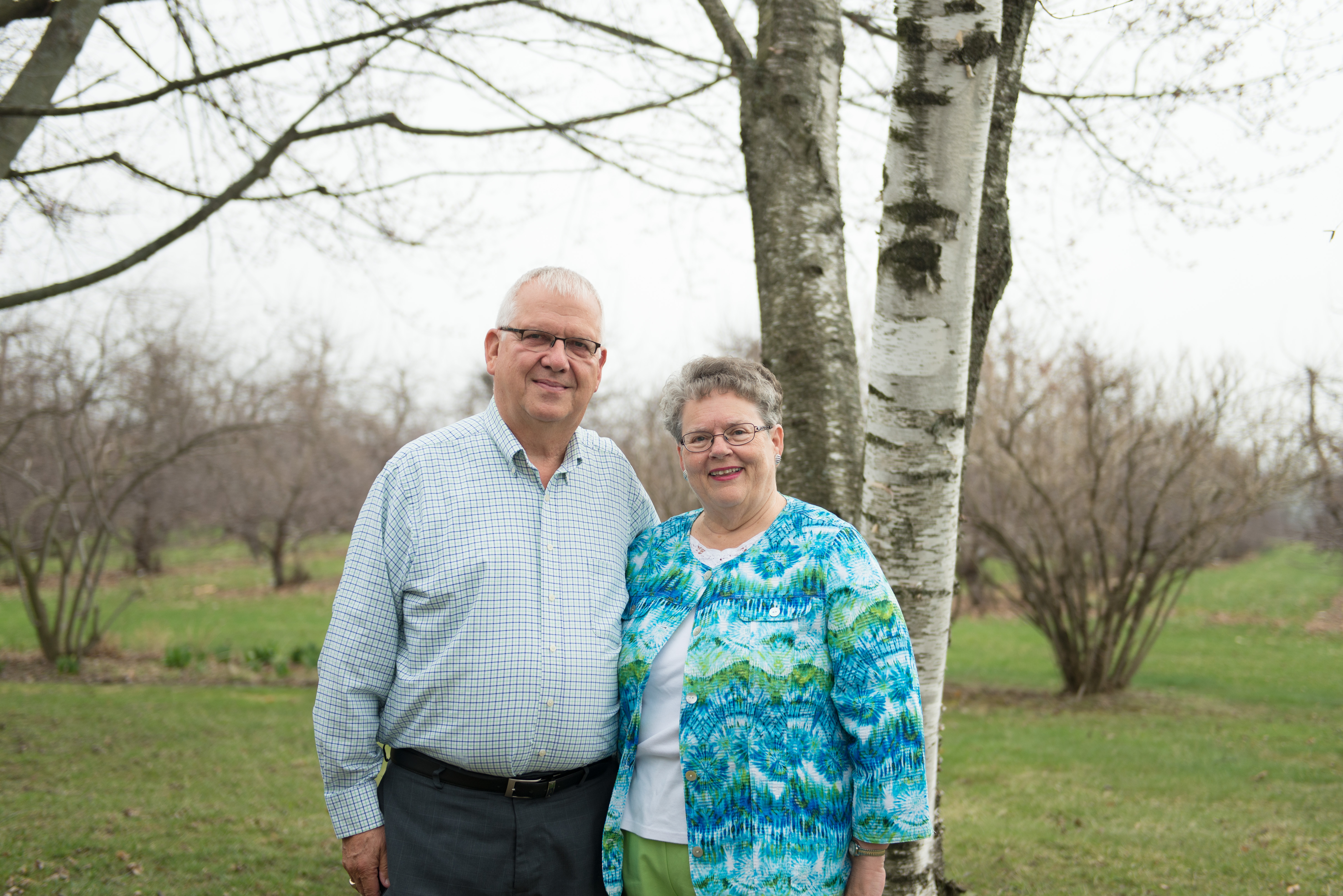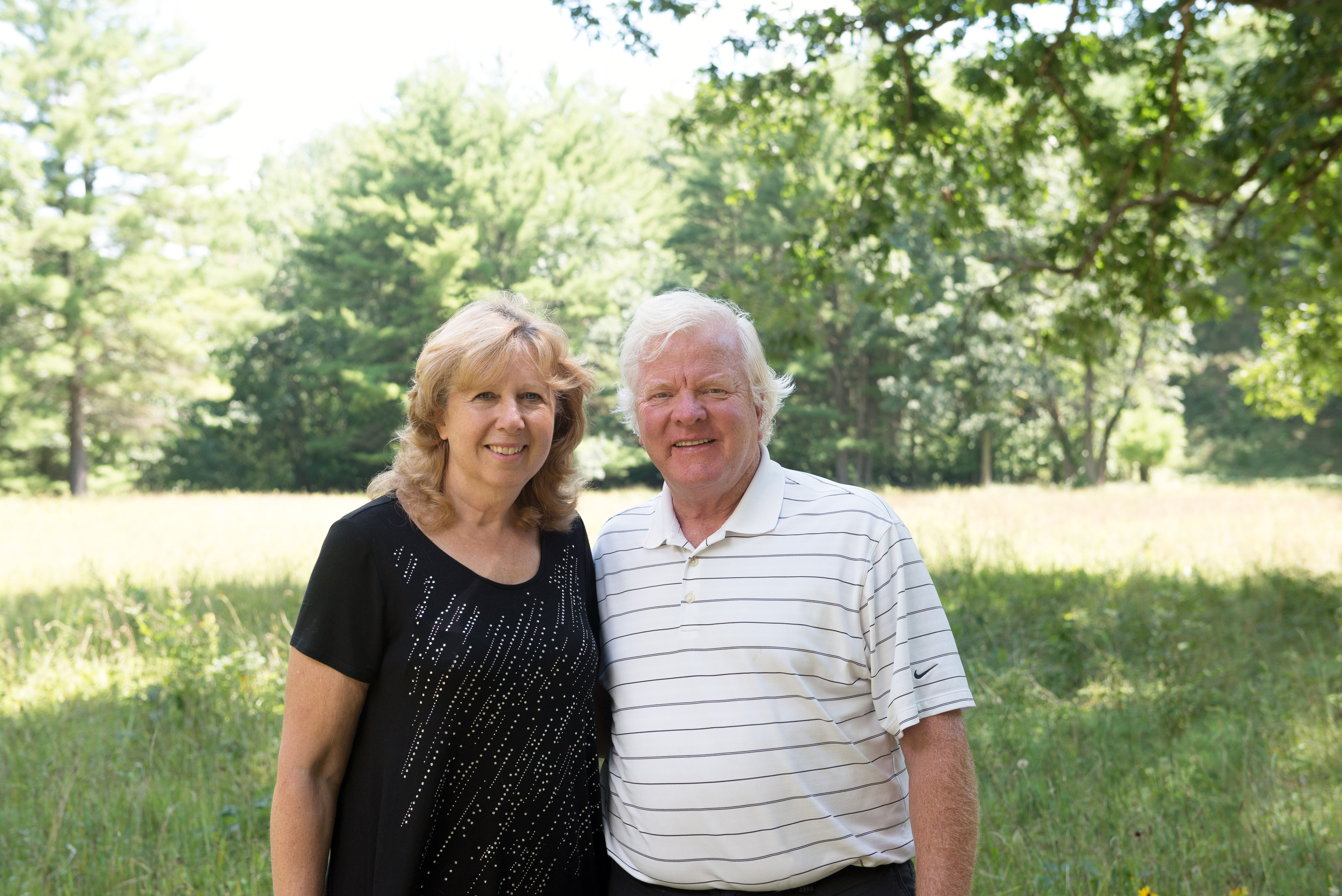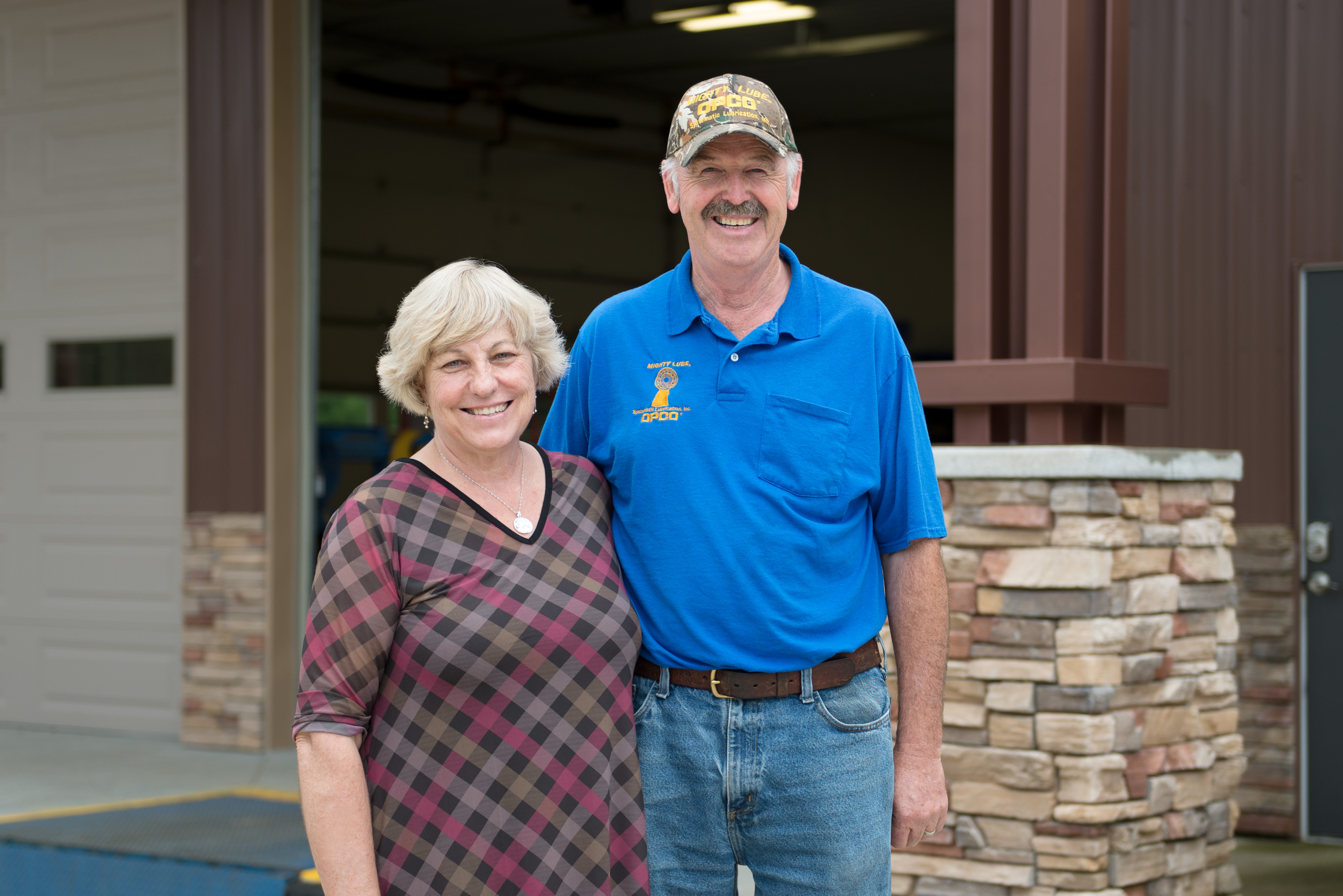

As part of Dr. Gerald VanWieren’s commitment to the National Health Service Corps, he had to work in a high-need community after medical school. He and his wife Suzanne, a family nurse practitioner, chose Grant. Used to high doctor turnover, patients often asked how long they planned to stay.

“I was obligated to two years, but we’ve stayed 40,” said Gerald.

“We like small town life,” said Suzanne. “We like having those connections with people, and we’re rural but not very far from the city.”

The VanWierens raised their children here, love local trails and rivers, and are active volunteers. Suzanne served on Grant’s school board for 10 years and Gerald is a trustee of the Bridging Generations Fund at the Community Foundation.

As members of Our Next 75, the VanWierens have also given to the Maynard and Lavina DeKryger Scholarship. Their support honors the DeKrygers, who were mentors to them, and helps local graduates attending medical school.

“We’re not just here to amass material goods,” said Gerald. “We would like to leave the world a better place. We’re grateful for what we’ve received and want to return it.”

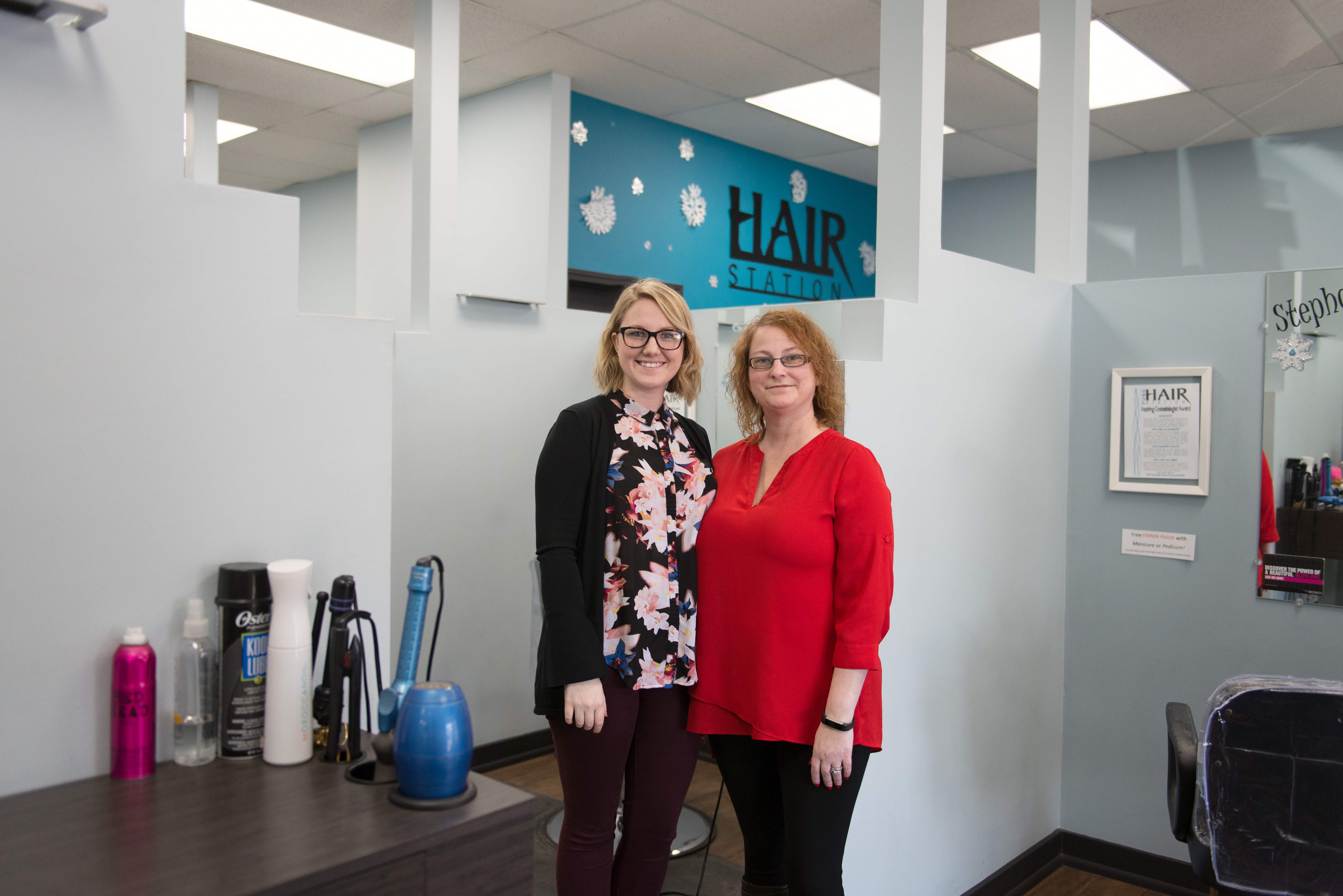
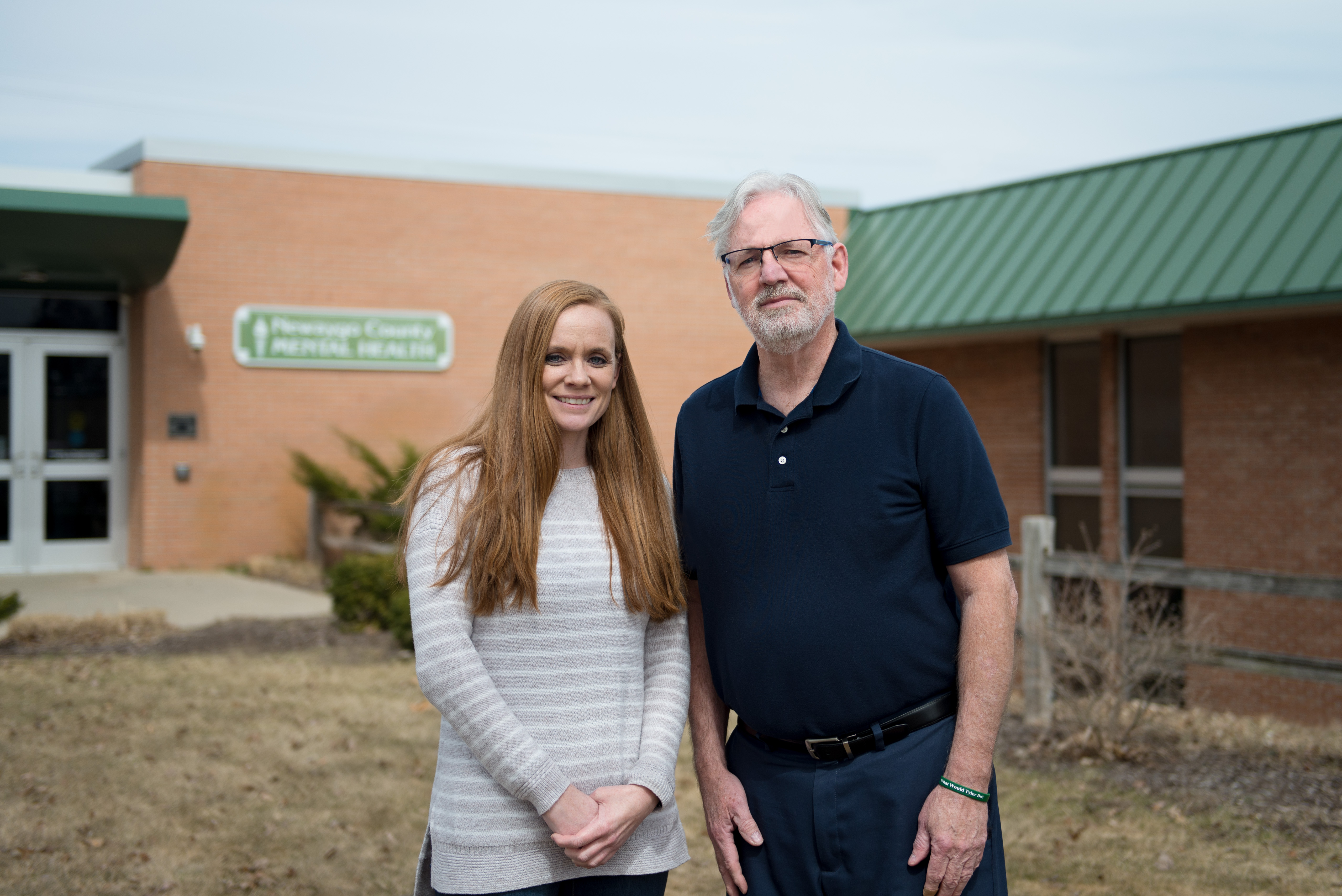
Love INC offers many services, including a food pantry, resale store, and help center which connects people with the appropriate resources. Most importantly, however, it’s a place where transformation begins.

“We’re helping people go from just surviving to thriving,” said Traci Slager, executive director. “A lot of people feel very stuck, and we help them see life through a different lens.”

Love INC’s Transformational Ministry programs, supported in part by grants from the Community Foundation, help individuals and families make lasting changes and regain hope. Participants learn about budgeting, job skills, setting healthy boundaries, and more. They are also matched with mentors. “We always say that we’re not just giving people resources, we’re trying to build resources in people,” said Traci.

With the support of local church partners and a host of dedicated volunteers, Love INC is working to expand their Transformational Ministry and develop new initiatives to meet other community needs.

“The most rewarding part of our work is the freedom we see in people as they’re completing these programs,” said Traci. “They used to feel trapped and hopeless and didn’t see their situation being any different in the future. Now we can see the weight lifted off them. They’re starting to find a way out.”

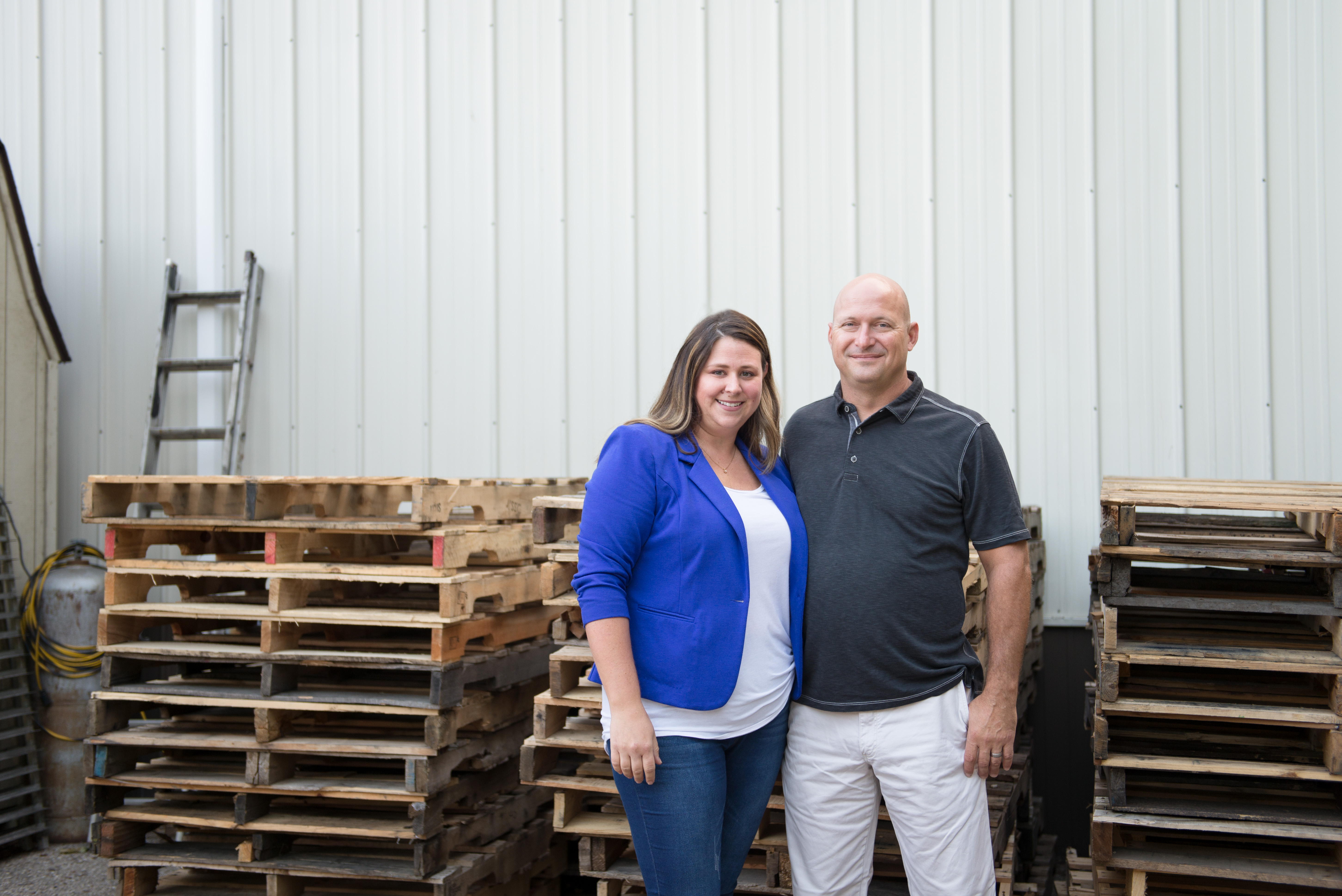
After Tim Rossler volunteered in his mother’s Head Start classroom in college—where he was studying business—he began picking up education electives and ultimately became a teacher and superintendent. For Peggy Rossler, a love of education started even earlier with a kindergarten teacher she adored. “Teaching was my dream from then on,” she said. “And I got to live my dream. It wasn’t always easy, but it was wonderful.”

Tim and Peggy are retired now, but they are still just as passionate about education. Their three sons are educators, Tim serves on the Promise Zone board, and Peggy, a Community Foundation trustee, is chair of our Education Committee. The couple also used our build-a-fund program to create the Tim and Peggy Rossler Fund for Early Literacy.

“Kids who are read to, talked to, and sung to when they’re young have a better chance of success,” said Peggy. Their hope is that the fund can provide books and learning materials for the area’s youngest residents. It’s also part of a long-standing Rossler family goal: Leave the world around you a little better.

“If you’re going to be part of the community, you have to contribute to the community,” said Tim. “You have to try to make it a better place.”

As a member of the Community Foundation’s Youth Advisory Committee (YAC), Emma Kartes spent her first year quietly observing. “Then I started getting more comfortable speaking up,” she said. “I learned about communication. I learned that when you take on a leadership role, it’s not just being in charge. It’s making sure everyone is supported and knows that I feel confident in them. I use that all the time now.”

Today, as a college student, Emma is using her skills as she majors in public and nonprofit administration. She is also involved with the Nonprofit Leadership Student Alliance on campus and has an internship with the Council of Michigan Foundations. She has consulted with organizations, written grants, and helped guide giving campaigns. In her internship, Emma provides leadership for statewide youth philanthropy programming.

“I always knew I wanted to do good work for a good reason,” she said. “Being in YAC helped me begin to professionalize my interest in the nonprofit sector.”

Growing up in Newaygo County also served as early inspiration. “Seeing how involved people were in supporting each other, especially youth, made me want to get involved too,” said Emma. “I feel very lucky. All the support I got from the community made me want to give back.”

Where some saw an eyesore, Newaygo County Compassion Home saw potential. While the hospice home began serving guests in 2018 at a donated house in White Cloud, they also began renovating a larger building in Fremont that had been empty for years. Today, it is a spacious, comfortable home where guests can complete their lives with dignity, surrounded by care.

“The end of life is part of living,” said Diane Rudholm, executive director. “We want to help people transition peacefully and gracefully. We want it to feel like home.”

Thanks to a devoted board and staff—including support dog Darla—the Compassion Home has served over 245 people, including more than 155 since moving to their new location in 2021. All services are free to guests and families, so the organization relies on donations and local support. “It’s a gift from the community to the community,” said Dr. Douglas Johnson, board president.

To provide additional long-term support, the Compassion Home created an endowment fund at the Community Foundation last year. “It will provide sustainability in the future,” said Diane. “It also provides another way for people to give. We are so grateful for the support of the community.”

Conservation is future-focused work. It requires deliberate, ongoing action. Habitats don’t improve overnight, and forests take decades to grow.

“Some restoration projects take a long time to show us the signs they are working,” said Kim Karn, executive director of Land Conservancy of West Michigan.

The Land Conservancy specializes in the long-term commitment that caring for natural areas requires. One of their newest projects is the McDuffee Creek Nature Preserve in northern Newaygo County. Multiple partners, including the Community Foundation,
supported the purchase of the property. Now, the Land Conservancy is also planning for amenities, like boardwalks and signage, and habitat restoration.

“Our goal is to manage the preserve with an eye toward creating and maintaining climate resilient and biodiverse landscapes,” said Kim. “We want to see the restored habitat thriving. We envision anglers, hikers, birders, and more using the preserve as a destination for nature exploration.”

While work like restoring the preserve’s oak savanna will take time, the Land Conservancy celebrates milestones along the way, like rare birds or insects returning to a once-degraded area. “How rewarding it is to know that we helped usher those conditions back!” said Kim. “To do so alongside members of the community, who volunteer their support in all manner of ways, makes it even more special.”

Four of six Gorsky siblings moved to Newaygo County in the early 1970s with their parents, Al and Loretta. They graduated from high school, then spread out across the country for college, military service, and careers. Yet this area kept drawing them back.

“We have kept these connections for the 50 years since,” said Therese Gorsky Cosan.

“We could go anywhere in the world, but we choose to be here because it’s special,” said Alex Gorsky.

Older brother Jim Gorsky used to visit but never lived here until several years ago. “I realized I had only scratched the surface before,” he said. “There are so many people to meet here, really goodhearted people.”

Several family members live here full-time now, and the others love to visit regularly. They all follow Al and Loretta’s example of seeking out ways to give back and get involved.

The Gorskys have been instrumental in the resurrection of Waters Edge Golf Course, inspired by their father’s vision and the prospect of creating jobs and recreational opportunities. They also created an endowment fund together at the Community Foundation as part of the family’s ongoing commitment to the area.

“We are so fortunate in this community,” said Alex. “But it’s because people have made the effort to get involved. Giving back is our responsibility.”

Family and community are deeply important to Christie Pollock. She is a hands-on grandma, a book club member, one of the founders of the local pickleball movement, a beloved former teacher, and even a member of our Bridging Generations Fund board. “It’s a very full life,” she said.

Christie has always been actively involved in community work. “There are a lot of opportunities in this community to give in different ways,” she said. “I’ve been lucky, and I feel a lot of gratitude. That’s why you give back, to pass it on. It’s brought me a lot of joy.”

Christie has also created a fund at the Community Foundation that combines her love of family and community with a lifelong desire to give back. The fund will help local people who want to adopt children. Christie was adopted at birth and always knew she wanted to adopt. “It was always on my roadmap,” she said. “I adopted my two children, and they’re everything to me. They’re my whole life.”

While there are many children who need loving homes, adoption can also be an expensive process. “With this fund, I want to help people who are adopting in any way I can,” said Christie.

The Community Foundation felt like a good fit with Christie’s goals. She was also familiar with the organization because her mother, Vyvyan Pollock, created a fund here years ago and her children received scholarships.

“I’m very proud that we have the Community Foundation here,” said Christie. “It says a lot that so many people have wanted to support it, and I wanted to be one of them.”

Over 55 years ago, Gladys Hindes heard a simple message from her pastor about a family in Hesperia who could use a friend. Her immediate, whole-hearted response created an enduring bond between two families.

Rhonda Davenport Johnson is one of eight children in the family that Gladys befriended. “We became a part of her family,” said Rhonda. “When she said, ‘Call me Aunt Glad,’ she meant it and it was for a lifetime.”

Gladys knitted mittens for everyone at Christmas, attended high school and college graduations and weddings, and became one of Rhonda’s mother’s best friends. “She was always a part of our big moments, but she also just did life with us,” said Rhonda.

Gladys also embodied a welcoming spirit of inclusion that provided an indelible example for those around her. “For my brother and I, her legacy was inclusiveness,” said Laska Creagh, Gladys’ daughter. “She believed everyone deserves love.”

“Growing up as one of very few African American families in the area, we were made to feel different by some, but that was never part of Aunt Glad,” said Rhonda. “She wanted the best for everyone.”

At Gladys’ 100th birthday party in 2019, not only were many Davenports in attendance, but they also donated in her honor to the Community Foundation. “We wanted to help families who needed encouragement and support,” said Rhonda, who is now an executive vice president with Comerica Bank. “We wanted to acknowledge how significant such support had been in our lives and to bless someone else.”

When Gladys passed away in 2021, the Davenports gave again in honor of Aunt Glad’s legacy of love, joy, and generosity. Rhonda and her family continue to look for ways to carry on that example.

“I hope someday people will say that we did some of those things for others,” said Rhonda. “That we were kind, that we were loving, that we were accepting, the way Aunt Glad was with us. I, like the rest of my family, adored her!”


Pictured above (l-r) are Laska Creagh, Morris Davenport, Annie Davenport, and Rhonda Davenport Johnson. Photo by Rich Wheater.

Throughout 2022, the Community Foundation developed an updated strategic plan to guide our work. The process included analyzing extensive research and community feedback.

“The best part of our process was seeking out the opinions of community members, leaders, former trustees, grantees, staff, donors, and affiliates and supporting organizations,” said Shelly Kasprzycki, president and CEO. “Their input and inspiring work in the community are what propelled our planning.”

These diverse perspectives helped us identify what worked well and where we could improve. For example, we will continue our grantmaking focus on poverty, community and economic development, and education. However, we are also adding a stronger emphasis on natural resources and placemaking.

“We want to build a community that is comfortable and accessible, that has economic prosperity, and offers healthy social and cultural opportunities,” said Shelly. “All of these things make a community a great place to be.”

Other goal areas include streamlining grantmaking processes and finding innovative solutions to local challenges. Woven throughout is a focus on continuing to build trust and collaborations.

“Our framework centers on partnership, whether it be donor relationships, leveraging resources, or solving problems together,” said Shelly. “The Community Foundation belongs to the community, and that’s why we see our role as one of an essential partner. We are listening to our grantees and strengthening relationships with our community partners and donors so that we can better collaborate and serve the needs of our neighbors.”

As we put our new strategic plan into practice, you can expect to hear about new initiatives, opportunities to get involved, and more.

“I’m excited about being proactive in some of our initiatives, such as addressing affordable housing, as well as the critical role civility will play in our future direction,” said Shelly. “We must work together to move forward for the common good.”

For a look at our full strategic plan, visit facommunityfoundation.org/plan.

Jack and Mary Butterick were high school sweethearts in the Grand Ledge area. “Well, it actually started around age 10,” Jack clarified with a laugh. “But we took a few years off in there.” They have been married for 56 years and, as part of Jack’s job with Gerber, spent some of those years traveling and living in Indianapolis and even Puerto Rico. But it was always West Michigan that captured their hearts.

“I traveled the world and have been to 65 countries, but this is where our hearts are,” said Jack. “This is where we always came back to.”

For part of the year, Jack and Mary divide their time between their home in Fremont and a cottage on White Lake that Jack’s parents bought years ago. They stay there until the cold drives them out, but even at the height of summer, the Buttericks still make regular trips back to Fremont for laundry, church, and volunteer commitments. Service has been a hallmark of their life together.

“I was in the Jaycees and their slogan was, ‘service to humanity is the best work of life,’” said Jack. “We’ve believed that and practiced it.”

From volunteering at local food pantries to shifts in the Friends of the Library room at Fremont Area District Library, Jack and Mary take their commitment to being good neighbors seriously. “We’ve been blessed in so many ways so we can share,” said Mary.

Another avenue for getting involved has been their partnership with the Community Foundation. The Buttericks created a scholarship nearly 30 years ago and will create an unrestricted fund through their estate plan.

“The Community Foundation was the obvious place,” said Jack. “Newaygo County has been a wonderful place for us to live, work, socialize, and worship. We want to leave a legacy and share in the Community Foundation’s ongoing role in our community.”

On a bright morning at the end of July, a line of cars looped around the parking lot at Grant Middle School. One by one they drove past a stretch of colorful tents and tables, greeted by smiles and a mix of Spanish and English. Families in each car received groceries, back-to-school supplies, information on local services, and more as part of Farmworker Appreciation Day.

Organized by the Sparta Area Migrant Resource Council, the day is an annual opportunity to recognize those who play a critical role in our local economy and community. Each year in Michigan, the food and agriculture industry brings in more than $100 billion and includes 94,000 migrant farmworkers and family members.

“I wish more people realized how important these workers are to farmers and to you and I,” said event organizer Mary Rangel, who also serves on the Community Foundation board. “We need them, and it’s important they know how much we appreciate them.”

This year, more than 150 families participated in the event, which is funded in part by a grant from the Community Foundation. It also brings together a network of partner agencies and enthusiastic volunteers. “Everybody is pitching in and helping,” said Mary. “The community is coming together, whether they’re on the receiving end or the giving end.”

Mary has led Farmworker Appreciation Day for 18 years and is still excited about the opportunity to share resources, help kids feel more ready for school, and show support for these local families.

“I’ve always wanted to leave a person, a community better than when I found it,” said Mary. “This is the best thing I can do for my community. We are taking care of each other.”

Greg and Christy Zerlaut are Holton graduates and high school sweethearts who returned to the area after college. Christy had trained as a teacher and was quickly hired as a long-term substitute. “We got to town on Saturday and I got the call on Monday,” she said. “I was eventually hired in and never left.”

Greg, an accountant, worked first in banking and then in the community foundation field. After several years in Muskegon, he was hired as the first vice president of finance at our Community Foundation. “In the corporate world, it can be cutthroat,” he said. “But in community foundations, people helped each other.”

The Zerlauts’ up-close experience with the Community Foundation made it a natural fit as a place to give. With their donor advised fund, the couple supports the causes most important to them, from education to food pantries and more. They’ve also included the Community Foundation in their estate plan, making them the latest members of Our Next 75.

“We wanted to compliment the work of the Community Foundation,” said Greg. “From working there, I know personally the process they go through to make decisions. We feel comfortable following their direction. Their focus areas follow what we want to do.”

Hope College has always been an important part of David and Rhonda Byrne’s story. They met there and both of their sons chose to attend there. David and Rhonda were even married by the school’s chaplain, who offered advice the Byrnes have followed ever since.

“He told us as soon as we got married to start giving and to make it a habit,” said David. “That’s what we’ve tried to do.”

The couple has found plenty of ways to give. Even their careers—David is a lawyer and Rhonda is a social worker—are a way for them to help others.

They have also partnered with the Community Foundation in their giving. They like that it is an easy, locally-focused way to make an impact. “Every day we can see people who have benefitted from others giving and from the Community Foundation,” said Rhonda. “We know it’s well-managed and the Community Foundation makes it easy for us.”

In addition to joining Our Next 75, the Byrnes created a scholarship to help local graduates who want to attend their alma mater.

“I went to a scholarship luncheon while I was a student,” said David. “I remember meeting the people helping me go to college and I thought, ‘Someday I want to help someone else.’ We hope this scholarship encourages somebody to dream.”

The Crandell family has been a fixture in Newaygo County for 120 years. As owners of Crandell Funeral Homes in Fremont and White Cloud, they have helped friends and neighbors through some of the most trying moments of their lives.

“We’ve been caring for families in this community for four generations,” said Curt Crandell who, along with his brother Scott, owns and operates the business.

The Crandells have always made community a priority, through their work, volunteerism and with a scholarship they created for Fremont and White Cloud graduates. The whole family—including Curt, Scott, sister Julie, their spouses, and their children—contributed to the fund honoring their father Richard who passed away in 2018.

“It was a family decision to start the fund when Richard died,” said Phyllis, Richard’s wife. “We believe every bit of education you can get is important.”

Creating the scholarship through the Community Foundation helped the family continue a tradition of giving that is deeply local and long-lasting.

“It was important for it to be local and we like the sustainability of giving through the Community Foundation,” said Scott. “In the future, we hope recipients look back and realize that people cared about them and were interested in them being successful.”

Weary of third shift work, Timothy found a new job with Big Rapids Products. He was doing well and was even able to buy a house. However, unexpected projects strained his finances just as his truck’s tires were giving out. “I was starting to have problems getting to and from work,” Timothy said.

Timothy knew a little about Michigan Works! from his involvement in a program on the east side of the state for returning citizens, but that had been years ago and he wasn’t sure what resources were offered here. He met with a Michigan Works! West Central coach at his workplace and explained his situation. Timothy soon received word that the organization could help him get new tires.

“Now I have told other people to get ahold of them, that there is a lot they can help you with,” Timothy said. “I’ve recommended it to a lot of people.”

Michigan Works! offers services to help people find and keep good jobs and address employment barriers. In 2021, Community Foundation grants supported the program that helped with Timothy’s tires and another that offers work-based learning opportunities for high school students.

“We offer a wide variety of services and programs that can assist both job seekers and employers in our six-county region,” said Shelly Keene, Michigan Works! West Central executive director. “By having the ability to help remove barriers, we hope this has a positive impact on employer retention rates in Newaygo County.”

Every summer since 1949, Bill Alsover’s family relocated from their East Grand Rapids home to a cottage on Pickerel Lake. The old cottage was beautiful “only in our hearts,” said Bill, but all the neighbors had children of similar ages who swam, fished, and explored together.

“It was idyllic,” he said. “It was a humble dwelling, but we loved it here.”

The house is different today but the pull of the lake remains strong. Bill—now a Community Foundation trustee—moved to the area full-time over a decade ago and his children and grandchildren are frequent visitors. However, as Bill spent even more time on the lake, he began to notice changes in it and in neighboring Kimball Lake. There were more weeds and the water seemed less clear. One of the problems, a neighbor told him, was that “people use the lake now, they don’t really love it.”

“I have learned a lot about lakes and how sensitive and fragile they are,” said Bill. “They’re not going to fix themselves.”

In addition to encouraging lake health studies and working with the Pickerel Kimball Lake Improvement Board, Bill decided to create a fund at the Community Foundation to support projects that can improve the lakes and watershed.

“It’s been ideal to work with the Community Foundation. It gave the fund credibility,” he said. “We want people to know the fund is here and it’s another way to contribute to the health of the lakes.”

While the class of 2030’s graduation may seem far off, Kickstart to Career Newaygo County has been planning for it since before those students started kindergarten in 2018. The kids in this inaugural Kickstart class were the first to receive savings accounts at ChoiceOne Bank, seeded with $50 from the Community Foundation.

After graduation, students can use the money they’ve saved and earned for college, career training, and other related expenses. But the impact reaches far beyond just dollars.

“It’s about so much more than the amount in the savings account,” said Jackie Hite, Kickstart to Career assistant at the Community Foundation. “Our main goal is changing mindsets. Students start thinking, ‘I am going to college. I am going to trade school,’ instead of thinking they can’t afford it or it’s not for them. It makes it tangible.”

Along with savings accounts, the Kickstart program provides interactive classroom lessons on financial literacy and how saving today can help students prepare for the future. The Community Foundation also created an endowed fund to support Kickstart’s long-term sustainability.

“These kids are dreaming of a brighter future,” said Jackie. “We want to say to them, ‘Yes, you can and here’s how.’”

Jeanne Leaver and her husband Bill created a donor advised fund at the Community Foundation because they wanted a sustainable way to support the area they were born in and returned to as adults. It was here they learned the importance of giving back through the example of their families and neighbors.

“Bill and I both had times when we needed help and people were there for us,” said Jeanne. “Others in the community set the example and you don’t forget that.”

The Leavers worked to become informed about local needs and thought hard about the kind of impact they wanted to have. After Bill passed away in 2020, their practice of carefully researching opportunities fell to Jeanne. “I’ve had to take the reins on our fund,” she said.

One thing enhancing Jeanne’s new process is the Community Foundation’s catalog of funding opportunities, which gives donors a chance to get involved in grantmaking. During each community grant round, request summaries from the grant applications are shared with donor advised fundholders. Donors like Jeanne can then recommend grants from their funds to help fill the needs of local nonprofit organizations.

“Looking through the funding opportunities is a really enjoyable time for me,” said Jeanne. “I enjoy reading about what’s going on in the county.”

Now, as she travels around the community, Jeanne finds herself noticing the progress of the different projects she read about in the catalog. “I see something every day that those grants are doing,” she said. “So many areas of our lives are touched by the work of the Community Foundation.”

Reliable transportation is a necessity in a rural county where residents can’t hail a cab or take a bus when their car breaks down. In fact, transportation is one of our area’s biggest barriers to employment.

Classis Muskegon’s Fremont Service Committee—a partnership of local churches—helps fill the need by providing cars and repairs to local people trying to get to work.

“Some of us have no idea what it’s like to get up in the morning and not have a car that’s going to start,” said Sheri Byers, who has worked with the program for 19 years. She has seen clients finish work but wait eight hours to go home because their ride is on a different shift. Others can’t schedule medical appointments or look for better jobs because there’s no way to get there.

“For some, it’s been so long since they could just jump in their own car and go to work.”

The program works with local agencies to get client referrals and has a network of mechanics who source and repair vehicles. It’s supported in part by a grant from the Community Foundation.

Mary works in Fremont and recently received a car through the program. “It has made it 100 percent easier to not only get to work, but I could take a job change that led to more money because I can now drive to the office every day,” she said. “I have never been happier!”